
Where to find geodes in the United States
By the AstroStack team · Updated
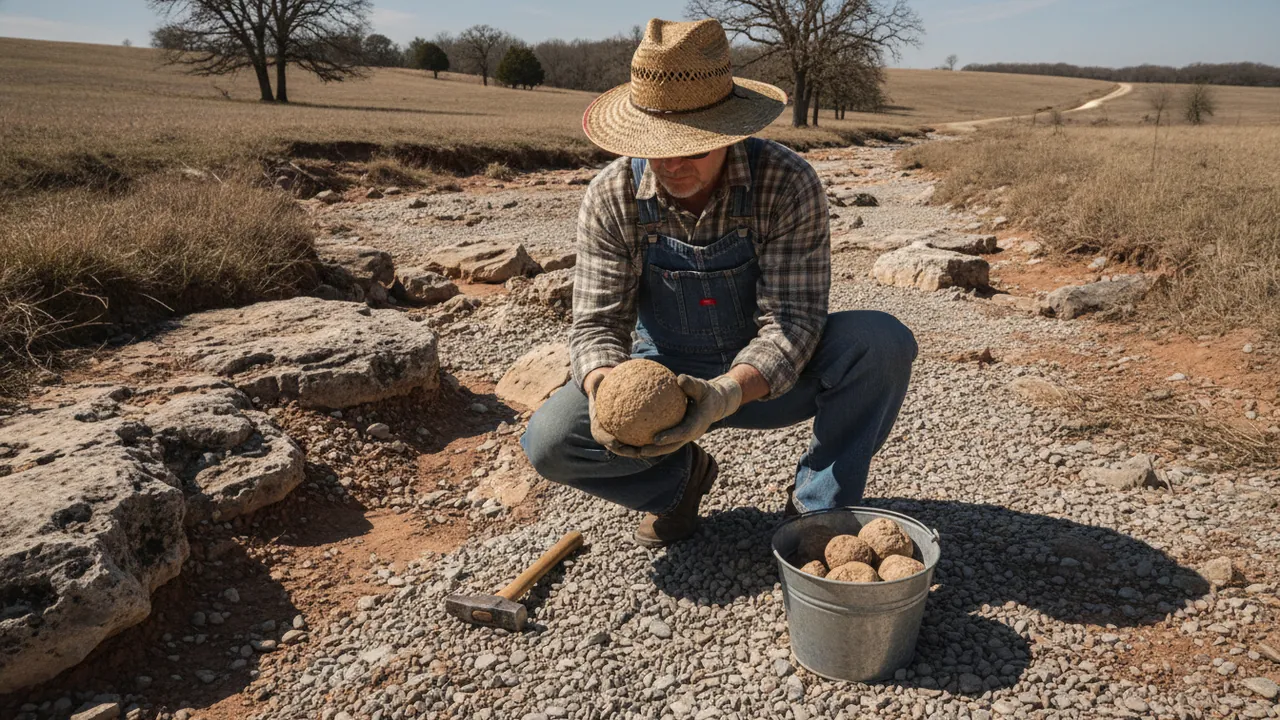
Where to find geodes in the US depends mostly on rock type: the best-known areas are limestone and shale country in Iowa and the Midwest, and volcanic beds in Utah and California. Two of those, the Dugway Geode Beds in Utah and the Hauser Geode Beds in California, are on public land managed by the Bureau of Land Management, and collecting there for personal use is allowed under limits.
Rules change and a wrong guess can mean a fine, so confirm with the managing office before you go.
Geode sites with clear public rules
| Place | Land manager | The rules |
|---|---|---|
| Dugway Geode Beds, west of Dugway, Utah | BLM | A BLM rockhounding area. BLM generally allows reasonable amounts of rocks and mineral specimens for noncommercial use. Tunneling is unsafe and prohibited. Ask the field office about any weight limit. |
| Hauser Geode Beds, Black Hills, California | BLM | One of several geode beds on BLM land there. California BLM personal-use limit is up to 25 pounds a day plus one piece, and 250 pounds a year. Hand tools only; no collecting in claimed, posted or restricted areas. |
Geode sites that need a phone call first
- Keokuk, Iowa area. This is classic geode country, and the Iowa state geode comes from here. Much of the land is private or quarry property, so do not assume that roadsides, quarries or creek banks are legal to collect.
- Geode State Park, Iowa. A state park, so ask staff about its collecting rule before removing anything.
- Rockhound State Park, New Mexico. Ask the park for its current rules and limits first.
- Hoosier National Forest, Indiana. It is Forest Service land, so contact the district office about limits.
- Kentucky and Illinois also have geode areas. Ask the state geological survey which sites are public.
Geode collecting rules that apply almost everywhere
- BLM land is open to noncommercial collecting of reasonable amounts, but developed recreation sites, active mining claims and other restricted areas are excluded. Commercial collecting or bartering needs special authorization, so do not sell what you find without checking.
- National parks do not allow it. NPS rules (36 CFR 2.1) prohibit removing mineral resources in park units.
- Private land always needs the owner's permission, and so do most quarries.
- Do not dig tunnels. The BLM calls it unsafe and prohibits it at Dugway.
What to bring and how to look for geodes
Geodes weather out of their host rock, so check dry creek beds, road cuts and the foot of slopes where erosion has dropped loose stones. Look for round, bumpy, cauliflower-textured rocks and test them by weight, as explained in what is a geode. Bring safety glasses, gloves, a hand pick, a bucket and water. Pack out your trash and fill the holes you dig. When a find is not a geode, the rock identification steps and the rock identifier hub will help name it. Rock apps such as AI Rock ID can give a first name for the crystals once you open one.
Which rock types hold geodes
- Limestone and shale country, as in the Keokuk area, produces calcite and quartz geodes that weather out of the rock and collect in creek beds.
- Volcanic regions, as in the Dugway and Hauser beds, produce geodes from gas bubbles in lava or ash, often with quartz or agate linings.
- Dry washes and gullies after rain move loose stones and expose new ones.
Safety and manners when hunting geodes
Take water, tell someone your plan and wear sturdy boots, because many geode beds are far from services. Do not undercut slopes, since BLM calls tunneling unsafe. Fill holes, take only what you can use and leave claimed ground alone. If you are unsure whether land is private, assume it is.
Check geode site rules before you go
Agency pages change, and the pages I read carried dates that did not all line up. Call the BLM field office or park before a long drive, and ask about weight limits, closures and tool rules.
Frequently asked questions
In what states can I find geodes?
Well-known geode areas include Iowa and the Midwest, Utah, California, New Mexico and Indiana. Utah's Dugway and California's Hauser geode beds are BLM-managed.
Do I need a permit to collect geodes on BLM land?
BLM generally requires no permit for personal, noncommercial collecting of reasonable amounts where the land is open. Commercial collecting or bartering needs special authorization.
How many pounds of geodes can I take?
The limit depends on the site. California BLM's personal-use limit at places like Hauser is 25 pounds a day plus one piece, with 250 pounds a year.
Can I sell geodes I find on public land?
Not without authorization. BLM says commercial collection or barter requires special authorization, and its personal-use rules cover noncommercial collecting only.
Can I take geodes from a national park?
No. NPS regulations prohibit possessing, disturbing or removing mineral resources in park units, so leave rocks and crystals where they are.
What kind of rock do geodes form in?
Geodes form in limestone and shale country, as around Keokuk, Iowa, and in volcanic rock, as at the Dugway and Hauser beds, where gas bubbles in lava leave cavities.